I thought it might be interesting to imagine life at a medieval monastery and surrounding town in Ireland. I have been thinking about Ireland once again because my wife will be leaving for Belfast in less than a month to spend a few weeks in the north. I’ve chosen a particularly prosperous town in the south called Clonmacnoise to focus on, partly because it is centrally located in Ireland and also because of the many pilgrims who visited to pay homage to the saints that founded the monastery. Many of these same pilgrims experienced mystical epiphanies which is another area of study I am involved in.
It is important to me when I write to include a context for what I am discussing, so I want to begin with a bit of geological history of Ireland and how it shaped Clonmacnoise, complimenting but without repeating what I’ve written earlier (see here: When Éirinn First Rose.)
WHY LIMESTONE STRUCTURES?
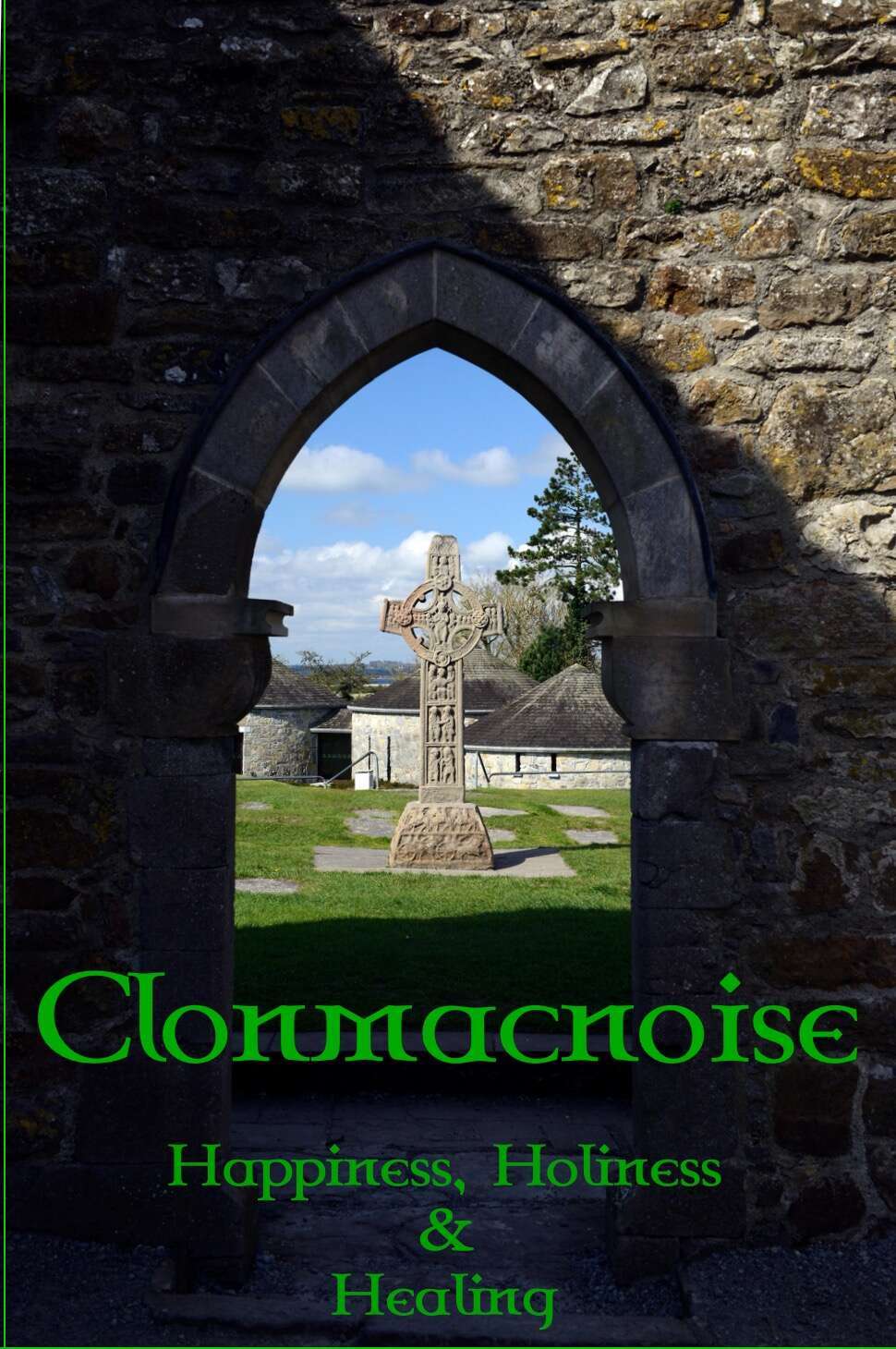
Almost all that remain of the original monastery of Clonmacnoise today are remnants of structures, a legendary well plus crosses and about 700. gravestones made of limestone. Limestone does not have the beauty of other stones. Of the several types of stones that support the Emerald Isle, itself, such as sandstone, shale, granite and basalt, limestone is found in greater abundance than any other. This is because Ireland was thrust upwards by two shifting continents (Laurentia and Gondwana) after spending millions of years on the bottom of a warm 20°C to 30°C (68°F to 86°F) shallow sea. By that I mean somewhere between one and one hundred meters deep according to the best estimates. This period allowed for the accumulation of the remains of countless corals, mollusks, and foraminifera to litter the bottom of the basin. Eventually, the remains ossified. The stone used for Clonmacnoise almost certainly came from the surrounding regions, including parts of Offaly and Westmeath where limestone can readily be found. Perhaps more precisely, Ballycumber which is not far from Clonmacnoise, and which has a long history of limestone quarrying. This would have been accessible to the early inhabitants and builders of Clonmacnoise.
Limestone in the Early-to-High Middle Ages period of Hibernia (Ireland) was mined though labor intensive means. Men using picks, chisels, hammers, levers and wedges to cut limestone into pieces. Ideally, the quarry was near a river where it could be more easily transported to the construction site. Sledges and draught animals assisted in the transport of the stone. The work crews had both skilled stonemasons and common laborers to carve the stone and assemble the structures.
EARLY BEGINNINGS
An apocryphal book called The Annals of Clonmachnoise claims that Ireland was first noted by Keassar,1 reputedly a niece of Noah (who with his family survived the Great Flood.) Keassar, according to legend, traveled to Ireland with three men and fifty women. The book goes on to mention several subsequent waves of immigrants to Ireland over time. In fact, the earliest people to arrive in Ireland were likely hunters and gathers from either Brittany or the European continent. Eventually settlements were built, missionaries arrived and so on.
MONASTIC LIFE AT CLONMACNOISE
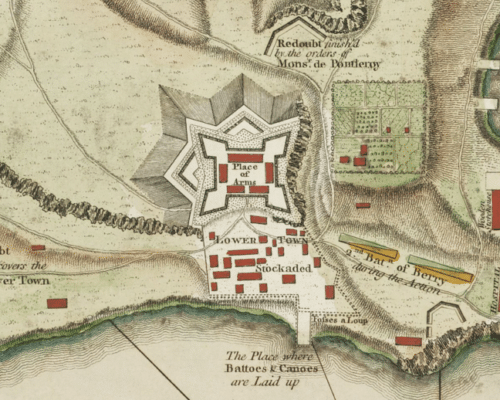
Saint Ciarán founded the monastery in 548 AD. Ciarán hailed from County Roscommon and along with eleven other pious youths from the monastic school Clonard Abbey at Cluain-Eraird in County Meath, became one of the “Twelve Apostles of Erin.” The Clonmacnoise monastery and nearby town were located where the east-west highway Slighe Mhór intersects with the River Shannon, and the monastery lies on the river banks. Thus, it was a logical place to build given the commerce routes of the day.
During the tenth to twelfth centuries when the town reached its high water mark, it is possible that several hundred permanent residents lived in Clonmacnoise which was quite an impressive number. Clonmacnoise was finally destroyed by English soldiers in 1552 as Henry VIII persecuted the Catholic Church in England, Wales and Ireland (or, at least in Clonmacnoise.)
Even though in its day the monastery prospered, it was no stranger to hardship:
“Clonmacnoise was not without its vicissitudes. Towards the close of the seventh century a plague carried off a large number of its students and professors; and in the eighth century the monastery was burned three times, probably by accident, for the buildings were mainly of wood. During the ninth and tenth centuries it was harassed not only by the Danes, but also, and perhaps mainly, by some of the Irish chieftains. One of these, Felim MacCriffon, sacked the monastery three times, on the last occasion slaughtering the monks, we are told, like sheep. Even the monks themselves were infected by the bellicose spirit of the times, which manifested itself not merely in defensive, but sometimes even in offensive warfare.”
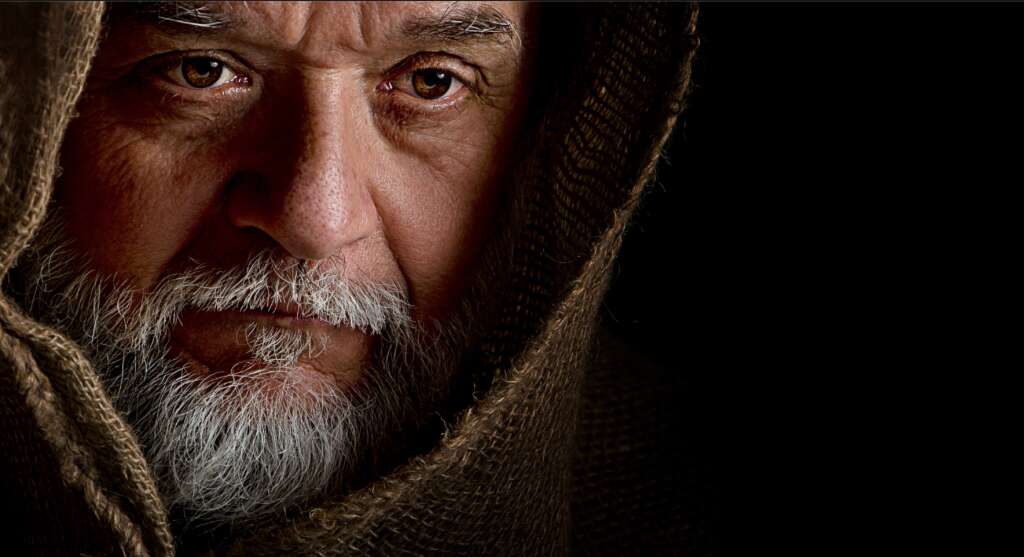
Unlike the many Benedictine monasteries in Europe at the time, the monastery at Clonmacnoise had a unique blend of Celtic influence in how it was governed and the expressions of faith. There was a emphasis on scholarship and the creation of many illuminated manuscripts. Yet, the monastery in many ways resembled others of its day. For example, the twenty-four hour day was carefully sectioned into periods of worship, labor, study and sleep. There were four required worship services: Matins (early morning prayers), Lauds (morning prayers), Vespers (evening prayers), and Compline (nighttime prayers.) Meals became an important opportunity for fellowship with other members of the congregation. Lùrnan mac Laise, the Emissary to Lord Fiachnae mac Báetáin, Rí Cóicid of Ulster visited the Clonmacnoise monastery in n the Year of Our Lord Five Hundred and Ninety Six and wrote:
“Meals we take in the refectory at a long table. They serve pottage, bread, milk, eggs, fish, and occasionally, beef. How I long for a good, long draught of ale or a flagon of mead! But such is not permitted here. Adjoining the main room is the kitchen, with its open fire, cauldrons, and brass cooking utensils hanging from the walls. When all are seated, someone prays, and then, much to my surprise, the monks participate in jovial conversation. The abbey folk are a merry lot.”
There were always visitors and pilgrims who flocked to the monastery day and night, so hospitality was an important ministry as well. Advanced planning was needed for the various ecclesiastical feasts and observances as well as local festivals. And perhaps more so here than at other monasteries, there was a generous collection of holy relics and Clonmacnoise had a reputation for epiphanies with “signs and wonders” and mirabilia including healings and insight into the perplexities that the pilgrims brought with them.
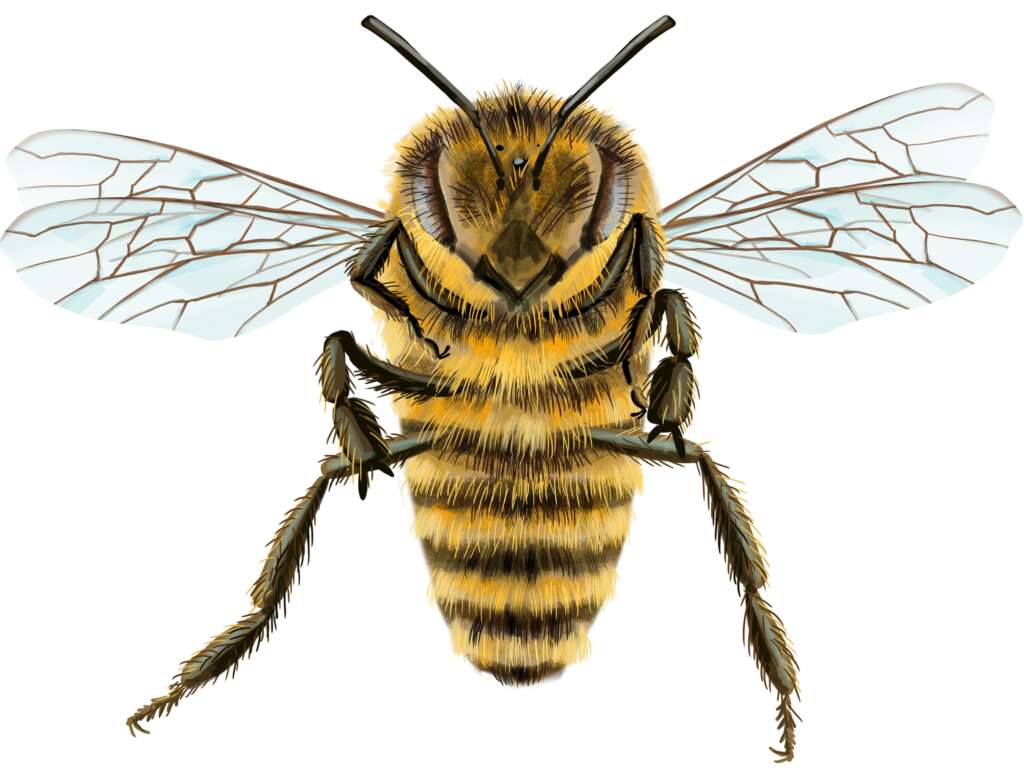
There was manual work of course. There was gardening, farming, animal husbandry and most monasteries had a herbalist. It was also likely that the monastery maintained bee hives, for both the honey and also for the wax from which they made candles. This sort of labor might also serve as penance to wayward monks on occasions.
SIGNS AND WONDERS
I wanted to comment on the signs and wonders that appeared from time-to-time in the skies over Clonmacnoise. Part of the reason I study and include this is because I have admittedly a strong streak of apophenia in my approach to life. In four more years, God willing, I will be an octogenarian. I’m looking for a “theory of everything” before I die. By that I mean I grasp for central themes, common denominators and taxonomies in our reality and our universe. Another reason is because there seems to be a paucity of material on such phenomenon in the professional literature. I cannot add to what is already known given the absence of additional and original manuscripts and my distance from where the actual events occurred and so on, but I can collect, preserve and pass on information and commentary on it. And, while we all must sift the surreal from the superstition as we seek to ascertain the facts, some of these same events appear elsewhere in history, such as during the life of John Wesley in England, as well as during the Second Great Awakening in America. Even in obscure places such as Merkel, Texas. Finally, I enjoy history, reading about people in other places and times, while living vicariously through their own lives.
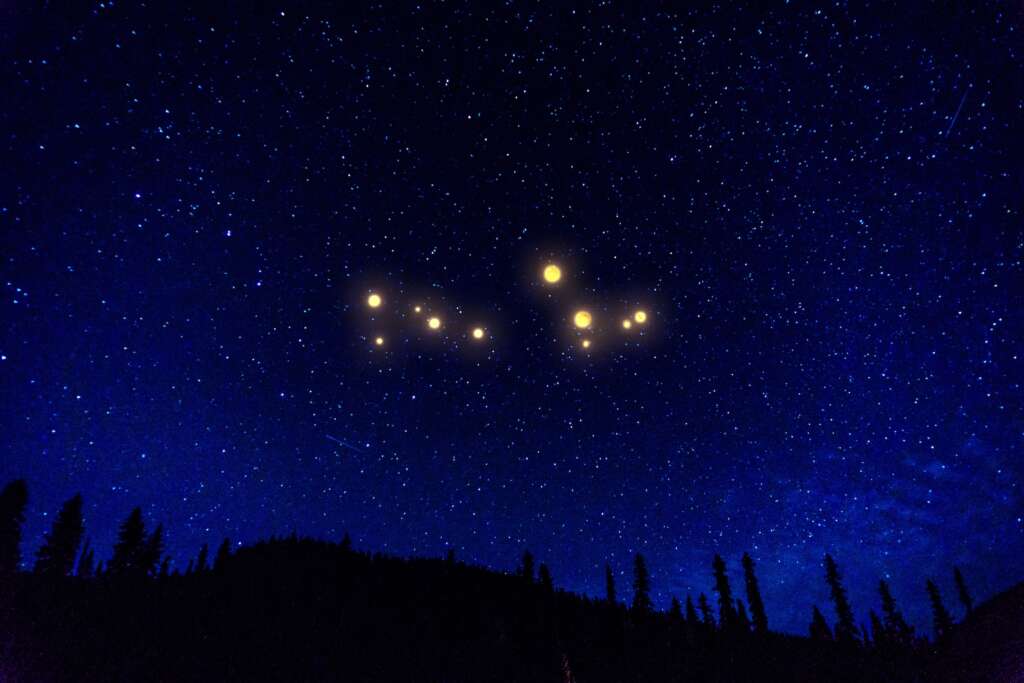
During the Middle Ages, much of the traffic to the monastery and town came from pilgrims. Perhaps more than any other location in England, Scotland, or Wales, Clonmacnoise was a Mecca for the blind, the deaf and dumb as well as the lost and broken-hearted. For these reasons, people flocked to Clonmacnoise then as they do to Lourdes today. And, if someone wasn’t cured of some crippling disfigurement, there were nevertheless sometimes unusual lights or orbs in the sky, particularly during twilight or in the still of night. These lights took the characteristics of glowing spheres that hovered or moved in unusual ways or patterns. They were noted to appear and disappear suddenly. Sometimes instead of orbs, there were patterns of colorful lights that appeared in the evening skies, perhaps similar to the aurora borealis, perhaps the very same aurora we see today. When the phenomenon appeared during mass, prayer or on holy days, they were interpreted as signs that God was close. Perhaps they were angelic? Or, like comets, they might be prophetic. However, in the turbulent times the people of Clonmacnoise faced between savage Viking raids from the north, pestilence and plague from the east, stoirmí dhóite (violent or raging storms) from the south and the unknown terrors at the edge of the world to the west, the priests, pilgrims and parishioners at Clonmacnoise were comforted by these signs and wonders.
There is also Saint Ciarán’s Well at Clonmacnoise, though today it lies on private property. It was said to have originated when a leper sitting under an elm tree near the monastery asked another person to pull up some rushes. As that person did, water was said to have bubbled to the surface. However, there are no specific miracles in conjunction to the well.
By the end of the 13th Century monastery was abandoned, however. As far as Saint Ciarán goes, he died of plague at the age of 32 on September 9, 549. Whether it was the bubonic plague (plóid na galar) or typhus is uncertain. Typhus was common in monasteries because of overcrowding and occasionally unsanitary conditions. Dysentery is another possibility. Because the bubonic plague was found mostly in isolated locations across continental Europe at the time and not specifically or generally in Ireland, the odds are that it was some other scourge than plague that led to his early death.
One last comment about unusual occurrences at Clonmacnoise has to do with the appearance of an airship in the years immediately around 740 AD. According to legend, it was sort of sailing ship in the sky which appeared during mass one day and the ship announced its arrival by dropping an anchor which damaged the chapel as it fell. A “sailor” on the ship was observed to “swim” down to free the anchor, when he was briefly seized by startled parishioners, At that point he struggled and cried out that he was “drowning.” When released, he “swam” upwards back to his ship. This incident might have occurred more than once at Clonmacnoise. And if a hoax, then variations of it were repeated elsewhere in Europe and (more recently) thirty-seven times in Texas during the last decade of the nineteenth century. One could be excused for seeing orbs in the sky, but a Trireme?!
How does one process this? Mass hysteria? A mirage? A glitch in the matrix? An open portal to another reality? Ergot poisoning from moldy rye bread? What would William of Ockham say? Who can know for sure?
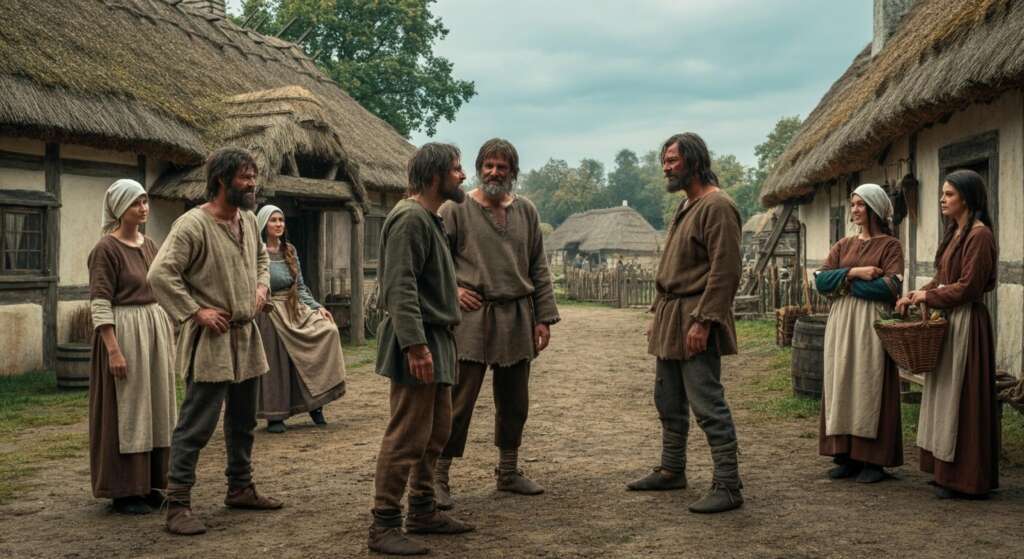
LIFE IN THE TOWN
While I have found population estimates for Clonmacnoise to be anywhere from several hundred to several thousands permanent residents, the lower number (at least for the eighth century) is probably more accurate, though no dubt that number swelled considerably depending on the season, the feast and festival observances and whether a faire might be in progress. Houses were comfortably close to each other in the event of an attack.
FAMILY LIFE IN THE EIGHTH CENTURY
The Brehon laws which governed Irish society at that time allowed women to get married at the age of fifteen while men had to be eighteen years of age. The laws were based on custom and oral tradition. Those individuals who administered the law were called Brehons and were more of a negotiator than a judge or magistrate. Thus, the laws dealt with civil matters and nor crimes. The Brehon laws competed with traditions and common law as well as with Church law. Divorce was permitted, particularly if the couple was not able to have children. The Brehon laws are considered today to be quite progressive in their day, though inequality still existed for women in Clonmacnoise society.
Even though there was the towering presence of the Abbey in Clonmacnoise, marriage ceremonies among the common people were held in the homes of the family of the bride or groom in accordance with Celtic traditions.
Birth control was most often coitus interruptus, an unreliable technique as old as the book of Genesis in the Bible. Other contraception practices included. There were also herbal teas and vaginal suppositories used as aborticides. Magic and charms were also known. The most effective measure was abstinence or the rhythm method (but less effective than abstinence.)
A TYPICAL DAY
A typical day would begin no later than sunrise. The Abbey bell would ring to rouse anyone still asleep. If a family had land, then they would work their land. Even tradesmen such as blacksmiths, carpenters, thatchers and weavers would work at home if business was slow. For a family without land, the men would hire out, most generally to the monastery which was always looking for help in the fields or mending harnesses and repairing carts and wheels, working in the stable, etc. Women might hire out to work in the Abbey kitchens as cooks and bakers, perhaps as maids. Bells from the Abbey rang at Lauds (dawn); Prime (6:00 a.m.); Terce (9:00 a.m.); Sext (noon); None (midafternoon, that is, 3:00 p.m.); Vespers (sunset) and finally Compline (9:00 p.m.). This schedule is a best guess as there are no documents specifying the specific times. However, if you lived elsewhere in Britain or the continent, these are the times the bells would ring (as well as for funerals, festivals and other occasions.) They might also warn of danger from approaching raiders.
By the end of the day, people had returned home. Lighting at home for dim days, evenings and nights was very rare among the villagers. Wax candles were expensive. Tallow candles made from animal fat were cheaper, but they took a certain skill to produce and that was not an affordable option either. Rush lights were likely common. Here, the pith of the rush plants were soaked in animal fat and set ablaze. They produced only a fraction of what a candle might, but it was enough to move about in your tiny house. Another source of illumination would be to build a big fire in your fireplace, but in some seasons while the light would be welcome, the heat would not.
WHAT THE PEOPLE OF CLONMACNOISE ATE
Again, I’ll use the eighth century as a benchmark.
The diet of the people at Clonmacnoise began with oats. As far as grains go, wheat was something of a luxury back then, but oats seem to have been plentiful. According to the Old Moore’s Almanac
“The oat has been around in Irish diets for a long, long time. Oats were easier to grow in colder climates than wheat. Oats were seen as poverty food, for the peasants, and wheat was a treat.. . There were a few different ways the Irish negotiated the oat. One was as a porridge, which we still have today. But the other was the oat cake. These were cooked on a griddle or on a bake stone. . . one of the more interesting dishes was a food called sowans or sowens. This was a type of fermented oat milk made using the starch on the inner husks of oats after milling.”
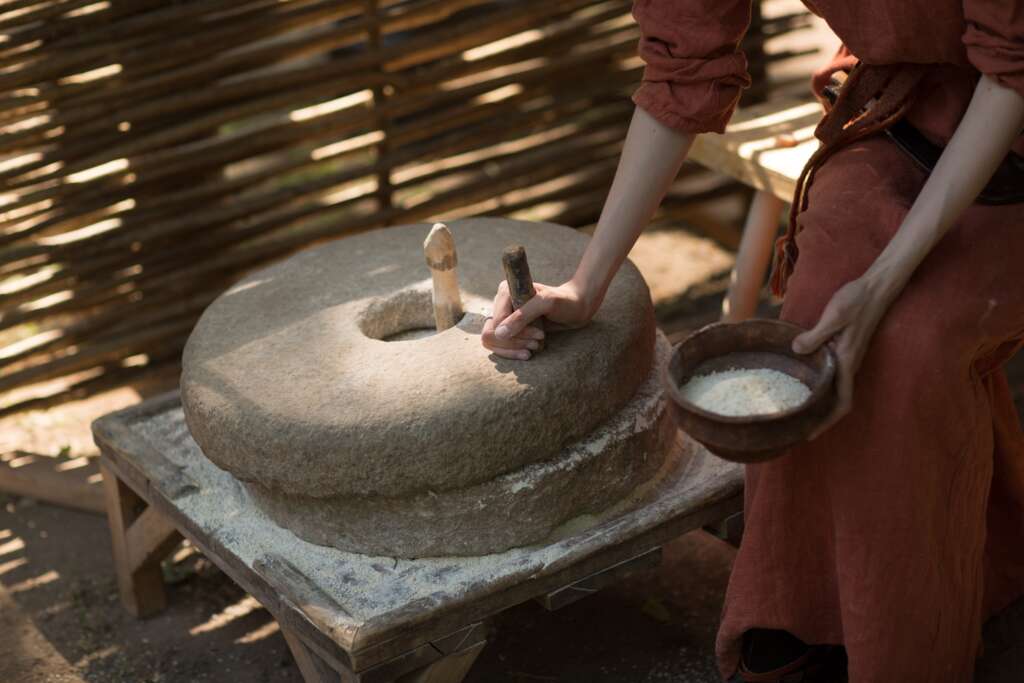
Corn was also cultivated. Corn, wheat and other grains would be ground using two round stones called quern stones. The stones were made of basalt if it was available because basalt being a comparatively hard stone would be less likely to flake off into the flour. The lower, stationary stone was sometimes called the saddle quern while the upper, similarly shaped stone was the muller. The difference between the two stones was that the upper stone had a round hole cut in it in which to pour the grain. Another smaller hole might be made to more conveniently insert a stick or level to grasp in order to rotate the muller, thereby pulverizing the grain against the saddle. This took time, however, and human muscle. By sometime between 650–850), the Kilbegly Mill opened and water provided the necessary service (at a fee, of course.)
Other food dishes included cribeens (crúibín) or pig’s feet; crowberries which are harvested in the fall; Hawthorn with its red berries that in tough times might be all there was to eat; Skirret (cearrachán) a root vegetable that brings to mind sweet potatoes and sloke which is made from marine algae. Recipes for these dishes can be found in Old Moore’s Almanac.
Milk and dairy products would be available if the family had a cow or goat or the means to barter for it from someone else. Butter has been important to the people of Clonmacnoise since the days of the Stone Age and it’s a curious thing how we know that. Butter which was sometimes flavored with garlic and herb, and occasionally animal fat has been excavated and dated from bogs so researchers are confident of its earliest existence. But why was it discarded thusly? Some believe that because items of value (including personal jewelry) were often deposited in bogs along with butter, they were in fact votive offerings to gods or in accordance with early pagan practices. Not all agree. Some wonder whether bogs were merely a place to store or hide important supplies. (Downey, Liam, and Ingelise Stuijts. “Overview of Historical Irish Food Products—A.T. Lucas (1960–2) Revisited.” The Journal of Irish Archaeology, vol. 22, 2013, pp. 111–26. JSTOR.)
The people of Clonmacnoise have always been able to harvest Atlantic Salmon as they annually returned to their spawning grounds. The fossil record corroborates this. Nor is there any reason to think that there were not always several varieties of trout. Today, it also has pike, bream and perch and these varieties may also date back to the Middle Ages. However, fish were not often available to the tuathach (or people of the community.
So, for breakfast, the typical family might have porridge and oat cakes. This would be supplemented with honey or fruit when available (honey was said to be plentiful.). For the midday meal,
The most common lunch was a pottage—
“a thick soup or stew made by simmering oats or barley with water and whatever vegetables, herbs, or foraged greens were at hand. If available, small amounts of meat (usually beef, pork, or mutton) or fish might be added, but these were rare for peasants and usually reserved for special occasions or the better-off. The cauldron (coire) was the primary cooking vessel, and the stew would often simmer for hours, allowing flavors to blend and tough ingredients to soften.” Perplexity
Dinner was much the same as the other meals. The basic drink was water or milk if the family had it. Beer was known but beyond the means of the typical peasant family because of the extra grain needed to produce it.
The available spices were much more limited than what we have today. There was no nutmeg, mace, cloves or ginger and no caraway at that point. No cinnamon either. There was parsley, chives, watercress garlic, salt, but likely no pepper (or sugar.) Honey was used instead to glaze meat or as a dip. Nuts could be reduced to oil which could be used as a spice as well.
THE FAIRE

If you’ve ever attended a contemporary medieval faire, you can imagine the anticipation and excitement it can bring to otherwise ordinary lives (even today.) There would be people of different languages, costumes and cultures visiting, colorful banners, stalls with exotic food, or leather goods or fabrics. You could be entertained with storytelling and puppet shows, dancers and musicians. There would rides and toys for children. The pageantry would be overwhelming to one’s senses. In some ways, a medieval faire reminds me of the rendezvous that took place in the first half of the nineteenth century on the American frontier where visiting merchants, mountain men and Indians, alike, would gather for a week or so of revelry, feats of horsemanship, wrestling contests all while trading furs for fresh supplies and some hard cash with which to barter for cheap whiskey. The Blackfoot could put aside their mortal differences with the Northern Shoshoni for one week each year before seeking new scalps to settle old grudges. These events took place at convenient locations and were advertised well in advance to all. The location of Clonmacnoise was likewise convenient and while I could not locate first hand accounts of such Faires, the consensus among historians is that they certainly took place, particularly after the twelfth century. They base this on the somewhat circumstantial references in the “Annals of the Four Masters” as well as archaeological evidence from artifacts (pottery, coins and tools) unearthed in and around Clonmacnoise.
FOONOTES
1According to the Annals:
“Lamech in the yeare of his adge 182 Begat Noeh and liued after 595 yeares. This yeare of Lamech’s age came the woman called Cesarea^ or Keassar accompanied onely with three men and 50 Women to this Land which was the first habitacon of Ireland, though others say yt this land was first Discouered and found by three fisher men^ who were sayleing in these parts of the world, and Because they made noe Residence in the Land I will make noe mention of them.”